
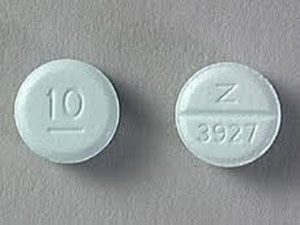
Buy Diazepam Online
Valium (diazepam) is a fast-acting benzodiazepine, a class of prescription medications known as sedative-hypnotics. Valium is primarily prescribed to treat anxiety symptoms, but it may also be prescribed to manage seizures, muscle spasms, and alcohol withdrawal symptoms.
Like other benzodiazepines, such as Ativan, Xanax, and Klonopin, Valium works as a central nervous system (CNS) depressant.2 CNS depressants calm over-excitation in the brain, making it useful for treating anxiety and seizures.2
Some people misuse diazepam for its ability to produce euphoria.3 Benzodiazepines are often taken with other substances to modulate their effects, which greatly increases their health risks.3
Valium is available as oral tablets of varying strength and is often marked with a “V.”4 But, outside of the Valium brand, diazepam is available as a(n): 1
Oral tablet.
Intramuscular injection.
Intravenous injection.
Rectal gel.
Street Names for Valium
Valium and other benzodiazepines may be identified by a number of slang terms. Common street names for any benzodiazepine include:Buy Diazepam Online
Benzos.
Downers.
Nerve pills.
Tranks.
Side Effects of Valium
Using diazepam puts a person at risk of experiencing several side effects.4 And, when a person uses Valium other than prescribed, the risk of experiencing unwanted side effects may increase.1
What are the Short-Term Side Effects of Valium?
Short-term, valium can produce side effects such as:4
Drowsiness.
Fatigue.
Weak muscles.
Tremor.
Vertigo.
Digestive tract issues (such as nausea or constipation).
Blurred vision or seeing double.
Low blood pressure.
Difficulty with bladder control.
Occasionally, when used by children or elderly persons, Valium has been seen to cause paradoxical reactions.4 Though usually used to treat such symptoms, it is possible for Valium to cause:4
Restlessness.
Anxiety.
Aggression or agitation.
Insomnia and nightmares.
Psychotic symptoms (such as hallucinations and delusions).
What are the Long-Term Effects of Valium?
Long-term use of Valium can have dangerous consequences.
Diazepam can cause someone to develop physical dependence and addiction.4 Dependence is a physiological adaptation of the body to a substance, wherein the body becomes so used to the drug being present in the system that when the individual cuts back on their use or quits, withdrawal symptoms emerge. With significant levels of physiological dependence, a person may continue to compulsively drink or use drugs to avoid unwanted withdrawal symptoms.2 Diazepam withdrawal symptoms can be life-threatening without medical supervision.1
Sedative use disorder—the clinical name for Valium addiction—may involve physical dependence and social and psychological criteria, which will be explored in the section below.
Additionally, some studies suggest that Valium may increase the risk of cancer development and have a negative effect on fertility.4
Have you lost control of your substance use?
Our New England detox & rehab facility is committed to supporting your recovery journey. Learn more about substance addiction treatment.
Call 325-231-4022
Identifying the Signs of Valium Addiction and Abuse
Being able to recognize signs of Valium intoxication can be useful for identifying how often a person is misusing the drug. If misuse of diazepam begins to lead to negative physical, societal, or relational problems it may be a sign of addiction.2
Signs and symptoms of Valium intoxication may include:3
Slowed reaction time.
Lack of coordination.
Euphoria.
Slurred speech.
Temporary loss of memory-making ability.
Changes in mood.
When diagnosing someone with Valium addiction, medical professionals will use the following diagnostic criteria for a sedative use disorder outlined in The Diagnostic and Statistical Manual of Mental Disorders (DSM-5):5
Taking more of a sedative than originally intended or for a longer time than intended.
Being unable to stop using a sedative despite repeated efforts or expressing the desire to do so.
Spending an increased amount of time obtaining, engaging in, and recovering from use of the sedative.
Having cravings for the sedative.
Continuing to use a sedative despite the consequences in work, school, or home responsibilities.
Recurrent sedative use despite knowing it causes or worsens social problems or issues in relationships.
Giving up important activities in favor of sedative use.
Using a sedative repeatedly in physically dangerous situations.
Continuing to use the sedative despite knowing it causes or worsens personal physical or psychological problems.
Developing physical tolerance to the sedative (the body no longer reacts to the sedative the way it used to, requiring increasing doses to feel the desired effects). This criterion does not apply to people taking Valium as directed for medical purposes.
Experiencing withdrawal symptoms upon the cessation or reduction of sedative use. This criterion does not apply to people taking Valium as directed for medical purposes.
Experiencing 2 or more of the criteria listed above within a 12-month period would result in a positive diagnosis of sedative use disorder.
Valium Overdose Risks
Overdose of diazepam is a medical emergency that can result in:1
Extreme sedation.
Dangerously slowed breathing.
Low blood pressure.
Coma.
Death.
Witnesses responding to a Valium overdose should immediately call 9-1-1.
In most cases, fatal overdoses involving benzodiazepines like Valium occur when other substances are also involved. (namely alcohol or opioids).1 Between January and June of 2020, 92.7% of overdoses that involved benzodiazepines also involved heroin or prescription opioids.7 The danger of combining diazepam with opioids is issued in a black box warning on the drug label.4
Some people who misuse Valium may not be aware that the pills they take contain opioids, since prescription pills acquired illegally are often counterfeit and contain toxic levels of synthetic opioids like fentanyl.7
If opioids are suspected to be involved in an overdose, bystanders should administer Narcan (naloxone) to the patient after calling 9-1-1. Naloxone will have no effect on someone that has not taken opioids, but it can reverse an opioid overdose and buy time for emergency services to arrive.8
Valium Detox and Withdrawal Symptoms
Quitting Valium often requires medical support through detox, since, without proper treatment, individuals may experience dangerous withdrawal symptoms.9
Diazepam withdrawal symptoms may range from mild to severe, including:5
Tremors.
Insomnia.
Nausea.
Potent anxiety.
Restlessness.
Hallucinations.
Seizures.
With professional medical detox, a doctor may prescribe a long-acting benzodiazepine in tapering doses, reducing the risk of seizures and other complications, thus providing safety and encouragement to continue pursuing sobriety.9
While detox is a crucial first step for many people with Valium addiction, addressing the contributing psychological and social factors of addiction through further treatment is typically needed for long-term recovery.9
Get the Care & Support You Need
Rediscover your joy during your stay at AdCare Treatment Centers in New England. We provide the care you need to get well and stay sober.
Call 325-231-4022
Valium Addiction Treatment
Depending on a patient’s needs, treatment may occur in a variety of care settings and a myriad of treatment plans.9 In addition to medical detox, the types of addiction treatment offered at AdCare include:
Inpatient treatment.
Intensive outpatient program.
Standard outpatient treatment.
Behavioral therapy, peer support, medication, and treatment for co-occurring disorders may be part of an addiction treatment plan in any of the settings listed above.10
AdCare Treatment Center offers Valium addiction treatment with an individualized approach tailored to fit the patient’s needs. Admissions counselors are available 24/7 to answer common questions about rehab admissions, using insurance to cover rehab, other ways to pay for treatment, and more. Call today at 325-231-4022 or verify your insurance online to get help and begin your road to recovery.
References
Was this page helpful?
Yes
No
Share
You aren’t alone. You deserve to get help.
AdCare has multiple locations throughout Massachusetts and Rhode Island, making it easily accessible to most parts of New England. We offer an integrated system of care and have been helping individuals and families struggling with addiction for over 50 years. Take the next step toward recovery now.
Call 325-231-4022
Start Your Recovery
About The Contributor
Dr. Lauren Geoffrion
Dr. Lauren Geoffrion
Content Contributor
Dr. Lauren Geoffrion graduated medical school at Loma Linda University in May 2021. Throughout medical school she wor … Read More
Read Our Editorial Policy
Related Articles
Ativan (Lorazepam) Addiction: Signs, Side Effects, and Treatment Options
Xanax (Alprazolam) Addiction: Signs, Effects, and Treatment Options
Klonopin (Clonazepam) Addiction: Signs and Symptoms
Ready for recovery?
We’re available 24/7. Call one of our compassionate admissions navigators now!
Call 325-231-4022
Are you covered for substance addiction treatment? Find your insurance.
Valium (diazepam) is a fast-acting benzodiazepine, a class of prescription medications known as sedative-hypnotics. Valium is primarily prescribed to treat anxiety symptoms, but it may also be prescribed to manage seizures, muscle spasms, and alcohol withdrawal symptoms.1
Like other benzodiazepines, such as Ativan, Xanax, and Klonopin, Valium works as a central nervous system (CNS) depressant.2 CNS depressants calm over-excitation in the brain, making it useful for treating anxiety and seizures.2
Some people misuse diazepam for its ability to produce euphoria.3 Benzodiazepines are often taken with other substances to modulate their effects, which greatly increases their health risks.3
Valium is available as oral tablets of varying strength and is often marked with a “V.”4 But, outside of the Valium brand, diazepam is available as a(n): 1
Oral tablet.
Intramuscular injection.
Intravenous injection.
Rectal gel.
Street Names for Valium
Valium and other benzodiazepines may be identified by a number of slang terms. Common street names for any benzodiazepine include:3
Benzos.
Downers.
Nerve pills.
Tranks.
Side Effects of Valium
Using diazepam puts a person at risk of experiencing several side effects.4 And, when a person uses Valium other than prescribed, the risk of experiencing unwanted side effects may increase.1
What are the Short-Term Side Effects of Valium?
Short-term, valium can produce side effects such as:4
Drowsiness.
Fatigue.
Weak muscles.
Tremor.
Vertigo.
Digestive tract issues (such as nausea or constipation).
Blurred vision or seeing double.
Low blood pressure.
Difficulty with bladder control.
Occasionally, when used by children or elderly persons, Valium has been seen to cause paradoxical reactions.4 Though usually used to treat such symptoms, it is possible for Valium to cause:4
Restlessness.
Anxiety.
Aggression or agitation.
Insomnia and nightmares.
Psychotic symptoms (such as hallucinations and delusions).
What are the Long-Term Effects of Valium?
Long-term use of Valium can have dangerous consequences.
Diazepam can cause someone to develop physical dependence and addiction.4 Dependence is a physiological adaptation of the body to a substance, wherein the body becomes so used to the drug being present in the system that when the individual cuts back on their use or quits, withdrawal symptoms emerge. With significant levels of physiological dependence, a person may continue to compulsively drink or use drugs to avoid unwanted withdrawal symptoms.2 Diazepam withdrawal symptoms can be life-threatening without medical supervision.1
Sedative use disorder—the clinical name for Valium addiction—may involve physical dependence and social and psychological criteria, which will be explored in the section below.
Additionally, some studies suggest that Valium may increase the risk of cancer development and have a negative effect on fertility.4
Have you lost control of your substance use?
Our New England detox & rehab facility is committed to supporting your recovery journey. Learn more about substance addiction treatment.
Call 325-231-4022
Identifying the Signs of Valium Addiction and Abuse
Being able to recognize signs of Valium intoxication can be useful for identifying how often a person is misusing the drug. If misuse of diazepam begins to lead to negative physical, societal, or relational problems it may be a sign of addiction.2
Signs and symptoms of Valium intoxication may include:3
Slowed reaction time.
Lack of coordination.
Euphoria.
Slurred speech.
Temporary loss of memory-making ability.
Changes in mood.
When diagnosing someone with Valium addiction, medical professionals will use the following diagnostic criteria for a sedative use disorder outlined in The Diagnostic and Statistical Manual of Mental Disorders (DSM-5):5
Taking more of a sedative than originally intended or for a longer time than intended.
Being unable to stop using a sedative despite repeated efforts or expressing the desire to do so.
Spending an increased amount of time obtaining, engaging in, and recovering from use of the sedative.
Having cravings for the sedative.
Continuing to use a sedative despite the consequences in work, school, or home responsibilities.
Recurrent sedative use despite knowing it causes or worsens social problems or issues in relationships.
Giving up important activities in favor of sedative use.
Using a sedative repeatedly in physically dangerous situations.
Continuing to use the sedative despite knowing it causes or worsens personal physical or psychological problems.
Developing physical tolerance to the sedative (the body no longer reacts to the sedative the way it used to, requiring increasing doses to feel the desired effects). This criterion does not apply to people taking Valium as directed for medical purposes.
Experiencing withdrawal symptoms upon the cessation or reduction of sedative use. This criterion does not apply to people taking Valium as directed for medical purposes.
Experiencing 2 or more of the criteria listed above within a 12-month period would result in a positive diagnosis of sedative use disorder.
Valium Overdose Risks
Overdose of diazepam is a medical emergency that can result in:1
Extreme sedation.
Dangerously slowed breathing.
Low blood pressure.
Coma.
Death.
Witnesses responding to a Valium overdose should immediately call 9-1-1.
In most cases, fatal overdoses involving benzodiazepines like Valium occur when other substances are also involved. (namely alcohol or opioids).1 Between January and June of 2020, 92.7% of overdoses that involved benzodiazepines also involved heroin or prescription opioids. The danger of combining diazepam with opioids is issued in a black box warning on the drug label.
Some people who misuse Valium may not be aware that the pills they take contain opioids, since prescription pills acquired illegally are often counterfeit and contain toxic levels of synthetic opioids like fentanyl.
If opioids are suspected to be involved in an overdose, bystanders should administer Narcan (naloxone) to the patient after calling 9-1-1. Naloxone will have no effect on someone that has not taken opioids, but it can reverse an opioid overdose and buy time for emergency services to arrive.
Valium Detox and Withdrawal Symptoms
Quitting Valium often requires medical support through detox, since, without proper treatment, individuals may experience dangerous withdrawal symptoms.
Diazepam withdrawal symptoms may range from mild to severe, including:5
Tremors.
Insomnia.
Nausea.
Potent anxiety.
Restlessness.
Hallucinations.
Seizures.
With professional medical detox, a doctor may prescribe a long-acting benzodiazepine in tapering doses, reducing the risk of seizures and other complications, thus providing safety and encouragement to continue pursuing sobriety.9
While detox is a crucial first step for many people with Valium addiction, addressing the contributing psychological and social factors of addiction through further treatment is typically needed for long-term recovery.9
Get the Care & Support You Need
Rediscover your joy during your stay at AdCare Treatment Centers in New England. We provide the care you need to get well and stay sober.
Call 325-231-4022
Valium Addiction Treatment
Depending on a patient’s needs, treatment may occur in a variety of care settings and a myriad of treatment plans.9 In addition to medical detox, the types of addiction treatment offered at AdCare include:
Inpatient treatment.
Intensive outpatient program.
Standard outpatient treatment.
Behavioral therapy, peer support, medication, and treatment for co-occurring disorders may be part of an addiction treatment plan in any of the settings listed above.10
AdCare Treatment Center offers Valium addiction treatment with an individualized approach tailored to fit the patient’s needs. Admissions counselors are available 24/7 to answer common questions about rehab admissions, using insurance to cover rehab, other ways to pay for treatment, and more. Call today at 325-231-4022 or verify your insurance online to get help and begin your road to recovery.
You aren’t alone. You deserve to get help.
AdCare has multiple locations throughout Massachusetts and Rhode Island, making it easily accessible to most parts of New England. We offer an integrated system of care and have been helping individuals and families struggling with addiction for over 50 years. Take the next step toward recovery now.
Contact us
Start Your Recovery
Valium (diazepam) is a fast-acting benzodiazepine, a class of prescription medications known as sedative-hypnotics. Valium is primarily prescribed to treat anxiety symptoms, but it may also be prescribed to manage seizures, muscle spasms, and alcohol withdrawal symptoms.1
Like other benzodiazepines, such as Ativan, Xanax, and Klonopin, Valium works as a central nervous system (CNS) depressant.2 CNS depressants calm over-excitation in the brain, making it useful for treating anxiety and seizures.2
Some people misuse diazepam for its ability to produce euphoria Benzodiazepines are often taken with other substances to modulate their effects, which greatly increases their health risks.3
Valium is available as oral tablets of varying strength and is often marked with the Valium brand, diazepam is available as a(n):
Oral tablet.
Intramuscular injection.
Intravenous injection.
Rectal gel.
Street Names for Valium
Valium and other benzodiazepines may be identified by a number of slang terms. Common street names for any benzodiazepine include:
Benzos.
Downers.
Nerve pills.
Tranks.
Side Effects of Valium
Using diazepam puts a person at risk of experiencing several side effects.4 And, when a person uses Valium other than prescribed, the risk of experiencing unwanted side effects may increase.1
What are the Short-Term Side Effects of Valium?
Short-term, valium can produce side effects such as:
Drowsiness.
Fatigue.
Weak muscles.
Tremor.
Vertigo.
Digestive tract issues (such as nausea or constipation).
Blurred vision or seeing double.
Low blood pressure.
Difficulty with bladder control.
Occasionally, when used by children or elderly persons, Valium has been seen to cause paradoxical reactions.4 Though usually used to treat such symptoms, it is possible for Valium to cause:4
Restlessness.
Anxiety.
Aggression or agitation.
Insomnia and nightmares.
Psychotic symptoms (such as hallucinations and delusions).
What are the Long-Term Effects of Valium?
Long-term use of Valium can have dangerous consequences.
Diazepam can cause someone to develop physical dependence and addiction.4 Dependence is a physiological adaptation of the body to a substance, wherein the body becomes so used to the drug being present in the system that when the individual cuts back on their use or quits, withdrawal symptoms emerge. With significant levels of physiological dependence, a person may continue to compulsively drink or use drugs to avoid unwanted withdrawal symptoms.2 Diazepam withdrawal symptoms can be life-threatening without medical supervision.1
Sedative use disorder—the clinical name for Valium addiction—may involve physical dependence and social and psychological criteria, which will be explored in the section below.
Additionally, some studies suggest that Valium may increase the risk of cancer development and have a negative effect on fertility.4
Have you lost control of your substance use?
Our New England detox & rehab facility is committed to supporting your recovery journey. Learn more about substance addiction treatment.
Call 325-231-4022
Identifying the Signs of Valium Addiction and Abuse
Being able to recognize signs of Valium intoxication can be useful for identifying how often a person is misusing the drug. If misuse of diazepam begins to lead to negative physical, societal, or relational problems it may be a sign of addiction.2
Signs and symptoms of Valium intoxication may include:3
Slowed reaction time.
Lack of coordination.
Euphoria.
Slurred speech.
Temporary loss of memory-making ability.
Changes in mood.
When diagnosing someone with Valium addiction, medical professionals will use the following diagnostic criteria for a sedative use disorder outlined in The Diagnostic and Statistical Manual of Mental Disorders (DSM-5):5
Taking more of a sedative than originally intended or for a longer time than intended.
Being unable to stop using a sedative despite repeated efforts or expressing the desire to do so.
Spending an increased amount of time obtaining, engaging in, and recovering from use of the sedative.
Having cravings for the sedative.
Continuing to use a sedative despite the consequences in work, school, or home responsibilities.
Recurrent sedative use despite knowing it causes or worsens social problems or issues in relationships.
Giving up important activities in favor of sedative use.
Using a sedative repeatedly in physically dangerous situations.
Continuing to use the sedative despite knowing it causes or worsens personal physical or psychological problems.
Developing physical tolerance to the sedative (the body no longer reacts to the sedative the way it used to, requiring increasing doses to feel the desired effects). This criterion does not apply to people taking Valium as directed for medical purposes.
Experiencing withdrawal symptoms upon the cessation or reduction of sedative use. This criterion does not apply to people taking Valium as directed for medical purposes.
Experiencing 2 or more of the criteria listed above within a 12-month period would result in a positive diagnosis of sedative use disorder.
Valium Overdose Risks
Overdose of diazepam is a medical emergency that can result in:1
Extreme sedation.
Dangerously slowed breathing.
Low blood pressure.
Coma.
Death.
Witnesses responding to a Valium overdose should immediately contact your meds provider
In most cases, fatal overdoses involving benzodiazepines like Valium occur when other substances are also involved. (namely alcohol or opioids).1 Between January and June of 2020, 92.7% of overdoses that involved benzodiazepines also involved heroin or prescription opioids.7 The danger of combining diazepam with opioids is issued in a black box warning on the drug label.4
Some people who misuse Valium may not be aware that the pills they take contain opioids, since prescription pills acquired illegally are often counterfeit and contain toxic levels of synthetic opioids like fentanyl.7
If opioids are suspected to be involved in an overdose, bystanders should administer Narcan (naloxone) to the patient after calling 9-1-1. Naloxone will have no effect on someone that has not taken opioids, but it can reverse an opioid overdose and buy time for emergency services to arrive.8
Valium Detox and Withdrawal Symptoms
Quitting Valium often requires medical support through detox, since, without proper treatment, individuals may experience dangerous withdrawal symptoms. Buy Diazepam Online
Diazepam withdrawal symptoms may range from mild to severe, including:
Tremors.
Insomnia.
Nausea.
Potent anxiety.
Restlessness.
Hallucinations.
Seizures.
With professional medical detox, a doctor may prescribe a long-acting benzodiazepine in tapering doses, reducing the risk of seizures and other complications, thus providing safety and encouragement to continue pursuing sobriety.9


Reviews
There are no reviews yet.